
 RSS Feed
15
Home Cooling Tech for Coastal Houses: Smart AC, Ventilation & Energy Savings
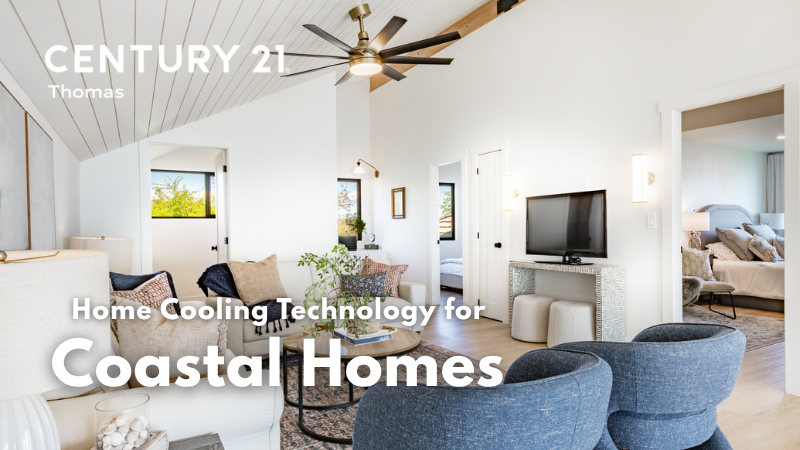
Life along the Grand Strand comes with ocean breezes, warm weather, and long summers that put cooling systems to the test. Humidity climbs fast, stays high, and doesn't let up until well into fall. Our real estate agents hear it from buyers regularly: The cooling system that worked fine inland is a different animal once it's running seven months a year, a few miles from the Atlantic.
Why Coastal Homes Face Unique Cooling Challenges
Heat, Humidity, and Salt Air Are a Triple Threat
USDA Zone 8b means upper-90s summers and humidity that sets in by May and doesn't fully break until October. That's a long haul for any HVAC system. Salt air from the ocean adds another layer, as it gets into outdoor condenser units and corrodes components faster than most people expect, especially buyers coming from inland areas where that's never been a consideration.
The neighborhood matters too. A newer home in Grande Dunes or Barefoot Resort is going to perform very differently from an older place a few blocks off the marsh in Murrells Inlet. Lot orientation, proximity to water, and construction age all factor in.
What Makes Coastal Cooling Different
- Moisture load here isn't seasonal. It's the baseline condition from spring through fall.
- Salt air eats through condenser components faster than most warranties anticipate.
- A seven-month cooling season turns a small efficiency difference into a noticeable one on your utility bill.
Smart AC Systems Worth Knowing About
Variable-Speed and Inverter-Driven Units
Old-school single-stage systems blast on, hit the target temperature, shut off. Repeat all day. That cycling is hard on equipment anywhere, but in a humid coastal climate, it also means the air inside never quite stabilizes. Variable-speed, inverter-driven systems run at whatever output the conditions require. The result is steadier humidity control and less wear on the equipment.
Smart Thermostats Built for Coastal Schedules
Coastal life doesn't run on a regular schedule. Vacation rentals turn over mid-week. Seasonal residents come and go. A thermostat that can be adjusted remotely, tracks humidity independently, and logs energy use over time is genuinely useful here, not a luxury add-on.
The remote access piece is particularly relevant for vacation property owners in North Myrtle Beach who aren't on-site between guest stays but still need to know what's happening with the system.
Mini-Split Systems for Additions and Older Homes
Some older homes in the area were built when ductwork design wasn't keeping pace with what this climate demands. Ductless mini-split systems fill those gaps cleanly, with no major renovation or tearing into walls. Screen porches, converted garages, and sunrooms are the spaces that become unbearable by July if they're not on their own system.
Energy Savings That Add Up Over Time
SEER Ratings and What They Mean for Grand Strand Buyers
SEER is the efficiency rating for air conditioners; higher numbers mean lower operating costs per season. The federal minimum for the Southeast is 14. Systems rated 18 to 20 SEER can cut cooling costs by 20 to 30 percent compared to the baseline.
That sounds abstract until you run the numbers across a Grand Strand summer. Seven months of near-daily runtime adds up fast.
A few practical notes:
- Federal tax credits for qualifying high-efficiency equipment are still available, depending on installation year.
- A higher SEER rating is increasingly seen as a selling point in this market, not just a personal preference.
- The upfront cost difference between a 14 SEER and an 18 SEER unit typically pays back within a few cooling seasons here.
Find a Coastal Home That Is Ready to Keep You Cool
Cooling systems don't come up much during a showing, but they surface quickly once someone's living in the home. Before closing on anything along the Grand Strand, it's worth knowing the age of the HVAC equipment, whether the ductwork has been updated, and whether whole-house dehumidification is already in place. Those details shape day-to-day comfort more than most finishes or fixtures do.
Browse Myrtle Beach homes for sale to see what's available, or contact us to talk through what to look for in a coastal property.